The question that comes up under voir dire
In over two decades of fire investigation work, I've rarely needed to write out a thermodynamic equation to solve a case. I want to be honest about that up front. The math is almost never what gets me there.
But the concepts matter. NFPA 1033 says so, and so does cross-examination. If you wind up on a witness stand for a fire case, there's a decent chance somebody in a suit will ask you to explain the difference between heat and temperature. People treat them as the same word in everyday conversation, which is fine at a backyard barbecue and a problem in a deposition. So let's pull them apart.
What temperature actually measures
The NFPA 921 definition of temperature is "the degree of sensible heat of a body as measured by a thermometer or similar instrument." That uses one of our terms to define the other, which is not super helpful. A better working definition, and the one I'd give on the stand, is this:
Temperature is a measure of the average kinetic energy of the molecules in a system.
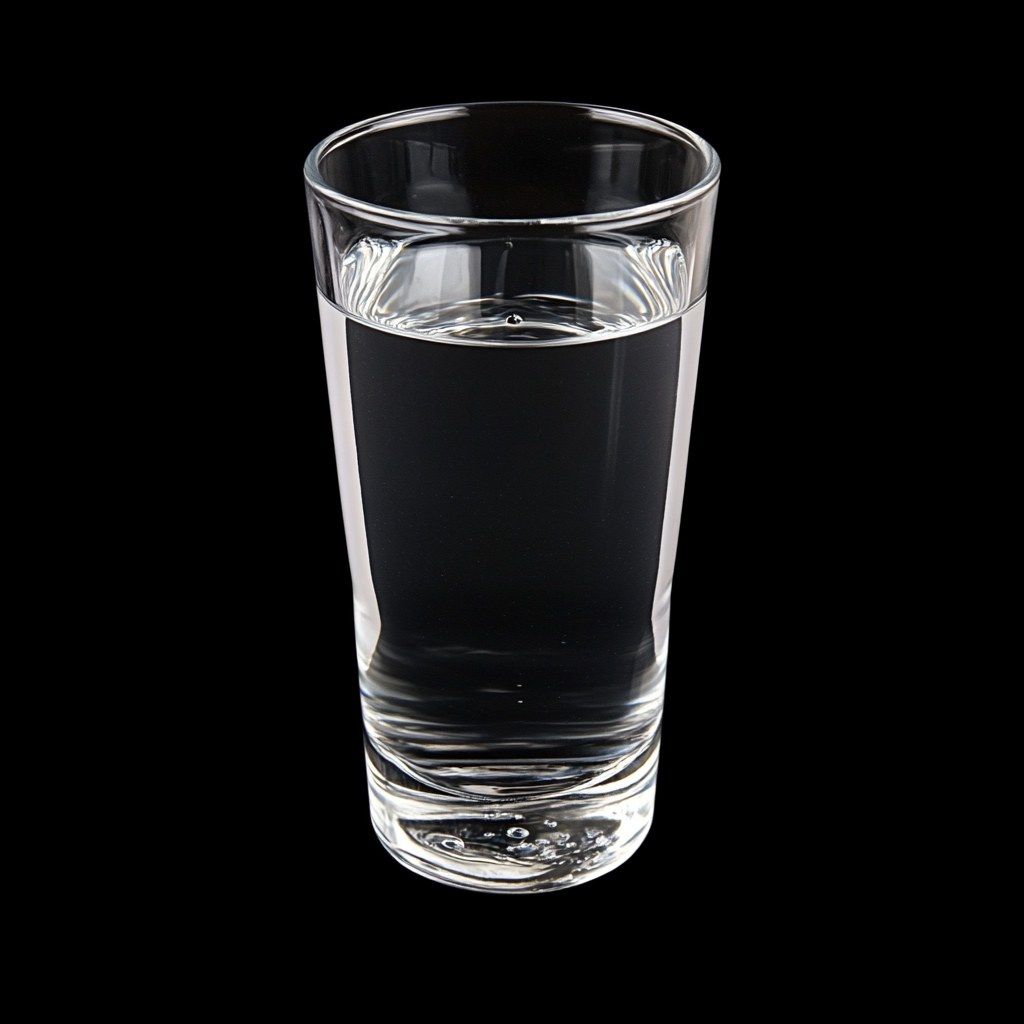
That's a mouthful, so let's anchor it in something you can hold. Picture a glass of water sitting on a table. To your eye, nothing is happening. The water is still. But if you could zoom in to the molecular level, you'd see a tremendous amount of movement — water molecules bouncing around at high speed, bumping into each other and the inside of the glass. The energy of all that motion is kinetic energy, and the temperature of the water is basically the average of it across all those molecules.
So when we measure temperature, we are not measuring "how much heat is in there." We are measuring how fast the molecules are jiggling, on average. That's it.
What heat actually is
NFPA 921 defines heat as "a form of energy characterized by vibration of molecules and capable of initiating and supporting chemical changes and changes of state." For most fire-related purposes that's fine. The piece I'd add from the thermodynamics side is that heat is the transfer of energy into or out of a system. It is the thing that moves.
Temperature is just our way of measuring the result.
In other words — heat is the cause, temperature is the symptom.
The pool, the ocean, and why this matters
Here's the example I keep coming back to.
Imagine you're at a resort. The pool and the ocean in front of it start the day at the same chilly temperature — let's call it 65°F. The resort cranks up the pool heater and pumps in some defined amount of heat energy over a few hours. The pool comes up to a comfortable swimming temperature. Great for a nice swim.
Now imagine you took that exact same amount of heat and dumped it into the ocean instead. What happens to the ocean's temperature? Basically nothing. You wouldn't measure a change.
Same heat. Wildly different temperature response.
That's because temperature is the average kinetic energy of the molecules in the system, and the ocean has a lot more molecules to spread that energy across than the pool does. The heat went somewhere — the first law of thermodynamics is not getting violated here — but the temperature reading barely budged.
That is the relationship that matters, and it's the one that tends to trip people up.

Why this isn't just a courtroom party trick
Here's where it lands for fire investigation specifically.
Most flames produced in a typical house fire are about the same temperature as each other. A trash can fire, a candle, a pool of burning gasoline, a piece of wood in flame, a living room fully involved — at the flame sheet itself, they all sit in roughly the same temperature range.
That sounds wrong the first time you hear it. We know in our bones that a house fully involved is more dangerous than a candle, so it has got to be hotter, right?
Not really. What's different is not the flame temperature. It's the amount of heat being released and how fast it's being released. That's a different quantity. It's called heat release rate, or power, and in the fire world we measure it in kilowatts. FireCred's fire dynamics module covers this in detail, but the short version is that comparing fires by flame temperature is the wrong comparison. Comparing them by heat release rate is the right one.
So when an attorney on the stand asks you "wasn't the fire hotter because it was a bigger fire?" — that question has a small misunderstanding baked into it. You can answer it without picking a fight, but you should know what's actually being asked and what isn't.
The takeaway
Heat is energy moving into or out of a system. Temperature is just a way to measure the resulting molecular motion inside that system. They're related — more heat going in usually means a higher temperature — but they aren't interchangeable, and treating them that way is exactly the kind of imprecision that gets picked apart on cross.
If you remember nothing else from this one: temperature tells you the symptom, heat tells you the cause, and on a fire scene the thing that does the damage is the heat moving through the system, not the number on a thermometer.